
Cross-functional teams are often hailed as innovation powerhouses. Bringing together diverse expertise, these groups are meant to solve complex problems, unlock creativity, and drive growth. Yet, despite their potential, 75% of cross-functional teams are dysfunctional. Why do teams with so much promise often fail, and how can you ensure they thrive in your organization?
This blog explores the hidden tensions that derail cross-functional teams and provides actionable strategies to help your organization foster harmonious, effective collaboration.
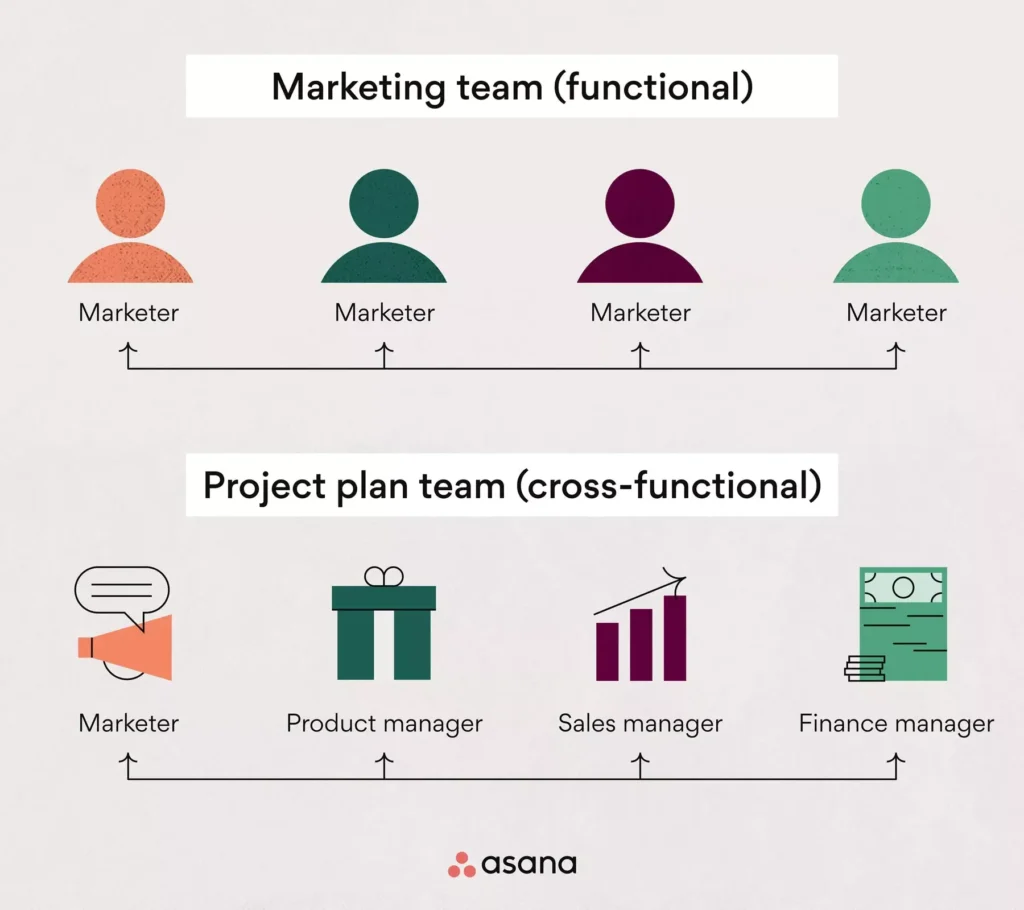 Image Source: Asana
The Hidden Friction in Cross-Functional Work
At their core, cross-functional teams aim to unite individuals from different departments under a shared mission. But while the concept seems simple, execution brings a variety of challenges. These issues often arise from organizational obstacles, cultural clashes, and unclear dynamics.
Competing Goals
Different departments often have varying objectives:
- Marketing may prioritize growth through brand awareness.
- Product Development might focus on refining existing offerings.
- Operations could be concerned with scalability and risk management.
When team members don’t agree on success metrics, their work becomes disjointed, and trust begins to erode.
Cultural Differences
Each department carries its own “cultural code.” Marketing might thrive on deadlines and creative bursts, while product development follows iterative, detail-oriented processes. These clashing norms lead to miscommunication and frustration.
Power Struggles
A lack of clarity about decision-making authority frequently stirs tension. Who has the final say in critical team decisions? Without role and power clarity, teams lose productivity debating over hierarchy rather than working toward solutions.
Problem Reinforcement by Org Structure
Traditional organizational charts further exacerbate friction. Departments are siloed, and leaders often focus more on departmental wins than team collaboration. This structural disconnect is at odds with the goals of cross-functional teams, creating barriers to seamless communication and shared success.
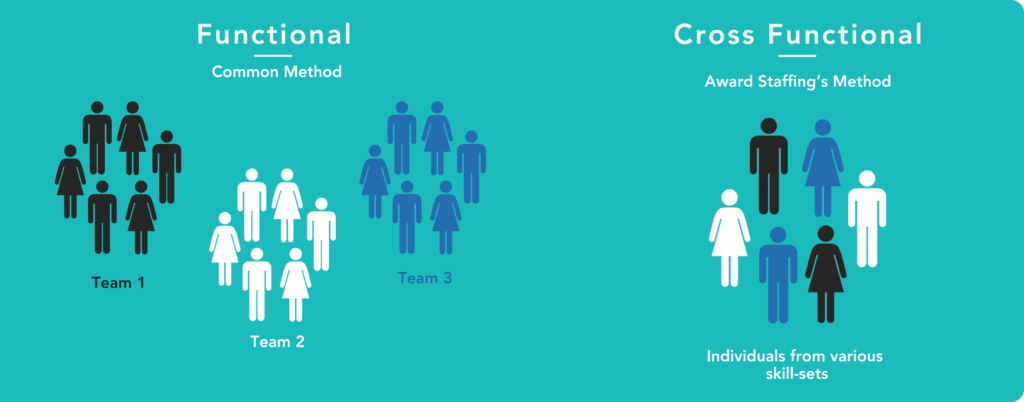 Image Source: Award Staffing
Three Forces that Make or Break Cross-Functional Teams
Transforming a cross-functional team from chaotic to cohesive requires addressing cultural, psychological, and system-based drivers. Here’s a roadmap to creating teams that thrive.
Psychological Trust First, Then Task Clarity
No productivity tool can overcome a lack of trust. When team members don’t feel psychologically safe, they hesitate to contribute openly, stifling the innovation that cross-functional teams promise.
Create Psychological Trust:
- Practice vulnerability by encouraging leaders and team members to admit challenges and mistakes.
- Be consistent in your leadership and team commitments. Reliability builds confidence.
- Promote listening over interruption during team meetings to make every member feel valued.
Once trust is established, focus on task clarity. Define expectations, deadlines, and priorities upfront, ensuring every team member knows their role and deliverables.
Create Shared Success Metrics
One of the biggest pitfalls for cross-functional teams is defining success within departmental silos. When KPIs are tied to departments rather than the team’s unified mission, collaboration becomes a risk instead of a strength.
Shared Objectives:
Implement team-level OKRs (Objectives and Key Results) that transcend department-specific wins:
- Example 1: Instead of “Marketing growth by 15%,” a team OKR can be “Increase retention in [Customer Segment] by leveraging campaign + product updates.”
- Example 2: Replace “Product launch on deadline” with “Seamlessly align product, marketing, and sales milestones.”
Shared metrics align team members and reward collective success rather than individual victories.
Balance Role Fluidity and Boundary Clarity
Ironically, a team’s effectiveness often relies on respecting role boundaries while adopting flexibility. Teams that clearly understand individual responsibilities can avoid clashes, yet those open to stepping beyond rigid definitions often innovate faster.
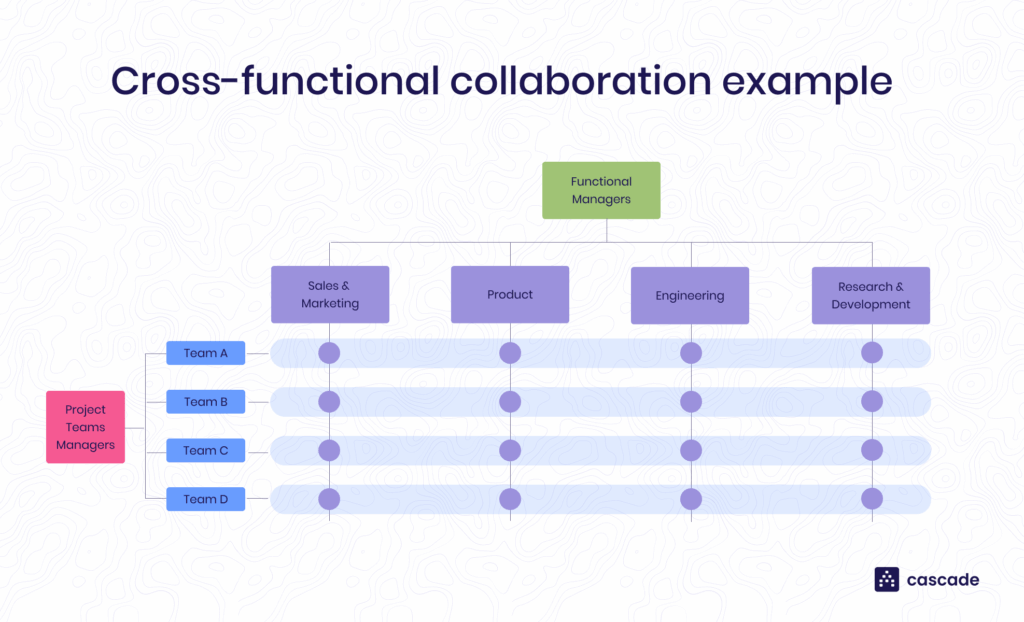
Steps to Implement:
- Define Collaboration Protocols: Clearly outline who owns what task while also enabling ad-hoc brainstorming sessions that encourage multiple perspectives.
- Empower Decision-Making Frameworks: Use tools like DACI (Driver, Approver, Contributor, and Informed) to clarify who plays each role during decision-making.
Best practice? Collaboratively define these boundaries at the beginning of team formation.
Rewiring the Organizational Environment
To ensure the success of cross-functional teams, you must create an organizational environment that supports collaboration. This requires more than changing team strategies; it involves reshaping systems and workflows from the top down.
Build a Culture of Alignment
Leaders must model behaviors that reflect alignment across departments. If executives send mixed messages or prioritize departmental divisions over cross-functional strategies, team collaboration will fail to gain momentum.
Practical Actions:
- Hold quarterly leadership alignment meetings to ensure all functional leaders agree on broader organizational goals.
- Normalize collaboration through cross-functional retrospectives, where employees across departments discuss successes and challenges with each project.
Cultivate Unity Through Rituals
Rituals can tie teams together, reinforcing accountability and camaraderie. Consider implementing:
- Rotating meeting hosts to reflect diverse viewpoints.
- Role shadowing or empathy swaps to allow team members to see work from the perspective of other departments.
Align Tools With Intentions
Ensure your tools reinforce collaboration. Platforms like Slack or Trello are effective, but they must be paired with transparent guidelines for communication and task visibility.
Cross-Functional Teams Are the Test
More than just a powerhouse for innovation, cross-functional teams test your organization’s maturity. Their success depends not just on tools and processes but also on cultural readiness. These teams demand clarity, trust, and leadership alignment to thrive.
Where is your team resisting collaboration? Is it tied to a lack of trust, unclear goals, or rigid silos? Your ability to address the root cause can transform how your teams perform.
By developing trust, implementing shared metrics, and rewiring your organizational environment, you can unlock the full potential of these teams and reap the rewards of smoother collaboration and breakthrough innovation.
Reflect and Act
To truly empower cross-functional teams, leaders must evolve beyond individual effectiveness and embrace systemic transformation. That’s where the Leadership System comes in. Designed to embed leadership development into the fabric of your organization, it helps align teams, build trust, and drive collective success. Explore the Leadership System and other Leadership Circle products to start building the leadership culture your teams need to thrive.