
Great leaders do more than drive profits; they protect the future. When you step into a position of influence, you inherit a profound responsibility that extends far beyond quarterly earnings. You become a guardian of your people, your organization, and the broader community. This fundamental shift in perspective defines the core of leadership stewardship.
Stewardship transforms how we view power and authority. Instead of viewing leadership as a mechanism for personal achievement, stewardship frames it as a temporary trust. You manage and nurture resources that belong to a larger collective. This mindset requires a delicate balance of visionary thinking and grounded, practical action.
In this guide, we explore the deep connection between stewardship and effective leadership. You will learn how to cultivate vital resources, build collaborative environments, and model mindful behaviors. By embracing these principles, you can create a lasting, positive impact on both society and the environment.
 Redefining the Executive Role
 Redefining the Executive Role
Leadership stewardship asks you to look beyond immediate business metrics. It requires you to consider the long-term health of the systems you influence. A true steward recognizes that an organization does not exist in a vacuum. Your decisions ripple outward, affecting employees, local communities, and the natural world.
When you adopt a stewardship mindset, you stop asking what you can extract from your team. Instead, you ask what you can invest in them. This perspective shifts your focus toward sustainability, equity, and resilience. You prioritize the enduring success of the enterprise over short-lived victories.
This approach builds profound trust. Employees want to follow leaders who demonstrate genuine care for their well-being and the world around them. When your team sees that you value sustainable growth, they engage more deeply with their work. They become partners in your mission rather than mere cogs in a machine.
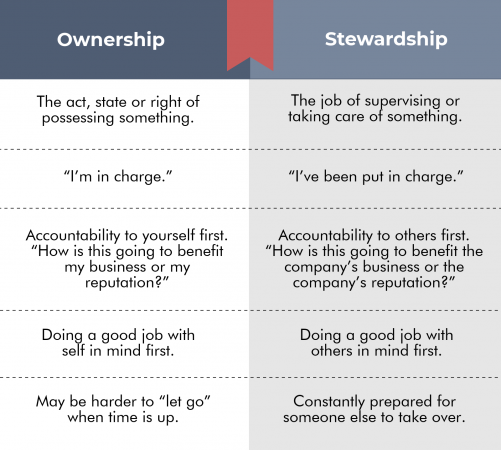
Image Source: Leaderonomics
Cultivating Resources with Care
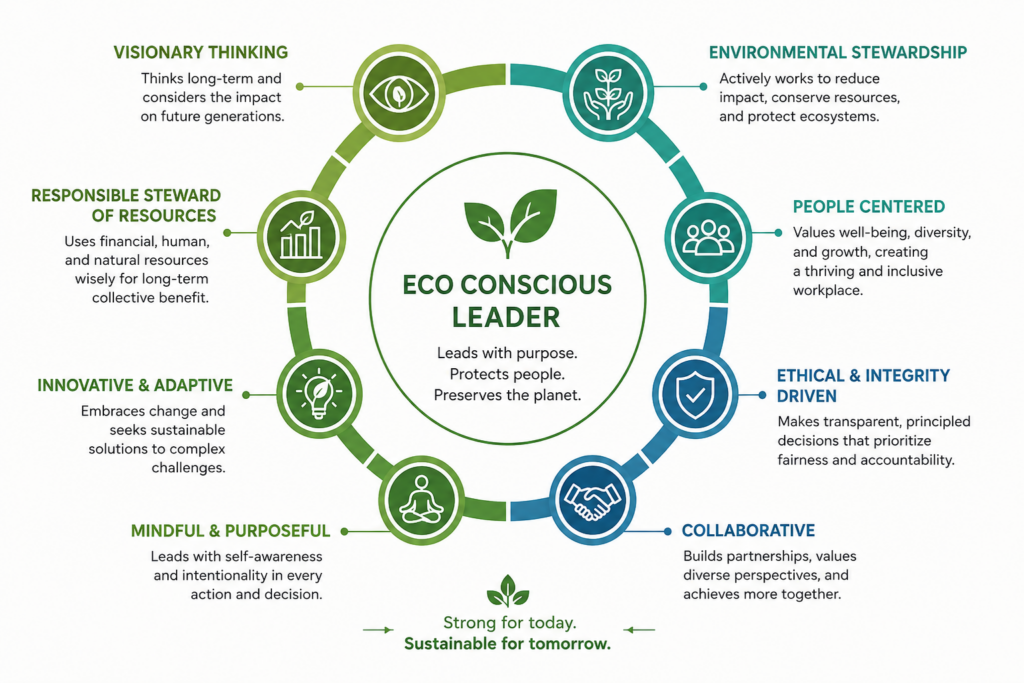
Every leader manages a portfolio of resources. These include financial capital, human talent, and environmental assets. A steward treats these resources with immense respect. You do not squander them for quick wins; you cultivate them carefully to ensure they grow and thrive over time.
Nurturing Human Capital
Your people are your most valuable resource. Stewardship means providing your team with the tools, training, and support they need to succeed. You must create an environment where individuals feel safe to take risks and share new ideas. When you invest in your employees’ growth, you build a resilient organization capable of weathering any storm.
Managing Environmental Impact
Business operations inevitably impact the natural world. Leadership stewardship demands that you take responsibility for this footprint. You can implement sustainable practices that reduce waste, conserve energy, and promote ecological health. By treating the environment as a vital stakeholder, you ensure that your business operates in harmony with the planet.
Fostering Collaboration and Collective Impact
No single leader can solve complex global challenges alone. Stewardship requires you to break down silos and foster deep collaboration. You must build bridges across departments, industries, and communities. When diverse groups work together toward a shared vision, the potential for positive impact multiplies exponentially.
Collaboration begins with active listening. You need to create spaces where every voice is heard and valued. By welcoming different perspectives, you uncover innovative solutions that a homogenous group might miss. This inclusive approach strengthens your organization and drives more sustainable outcomes.
Furthermore, stewardship extends beyond your organizational boundaries. You can partner with other businesses, non-profits, and community leaders. These alliances allow you to tackle systemic issues like climate change and social inequality. Together, you can achieve a scale of impact that is impossible to reach in isolation.
Leading by Example: The Mindful Executive
Your actions speak louder than any corporate mission statement. To foster a culture of stewardship, you must model the behaviors you wish to see. Mindful leadership is the foundation of this practice. It requires you to remain present, self-aware, and intentional in every interaction.
Mindful leaders pause before making critical decisions. They consider the long-term consequences of their choices on all stakeholders. This deliberate approach prevents reckless actions and promotes thoughtful, sustainable growth. When you demonstrate this level of care, your team learns to approach their own work with similar mindfulness.
Transparency is another crucial element of leading by example. You must communicate openly about your goals, challenges, and failures. When you admit mistakes and show a willingness to learn, you give your team permission to do the same. This vulnerability builds a culture of continuous improvement and mutual respect.
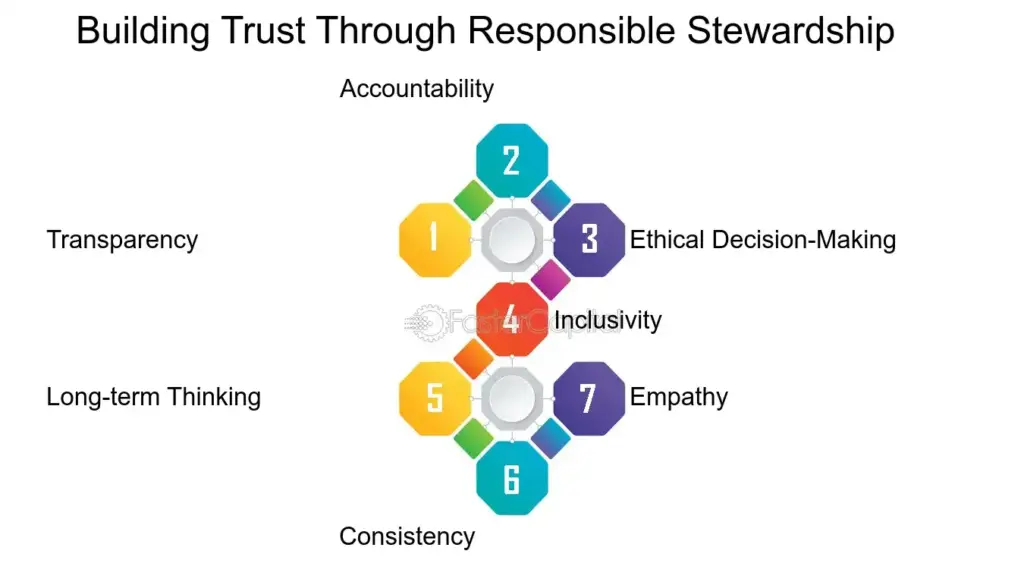 Image Source: Faster Capital
The Ripple Effect on Society and Environment
The choices you make today will shape the world of tomorrow. Leadership stewardship recognizes the profound interconnectedness of business, society, and nature. When you prioritize sustainability and ethical practices, you send a powerful message to your industry and your consumers.
Consumers increasingly demand accountability from the brands they support. They want to know that their money funds responsible, forward-thinking organizations. By embracing stewardship, you align your business with these evolving values. This alignment not only benefits the planet but also secures your competitive advantage in the marketplace.
Your leadership can inspire others to adopt similar practices. As your organization demonstrates the viability of sustainable business models, competitors will take notice. This ripple effect can transform entire industries, driving a collective movement toward a more equitable and resilient global economy.
Actionable Steps for Tomorrow
The journey toward leadership stewardship begins with a single step. You have the power to initiate meaningful change within your organization today. Start by evaluating your current practices through the lens of long-term sustainability.
First, conduct a thorough audit of your resource management. Identify areas where you can reduce environmental waste and increase your investment in employee development. Next, initiate open dialogues with your team about their vision for a responsible corporate culture. Finally, establish clear, measurable goals for your sustainability and community impact initiatives.
By committing to these actions, you transition from a traditional manager to a visionary steward. You will leave behind a legacy of strength, integrity, and profound positive impact. The future belongs to those who prepare for it with care, wisdom, and an unwavering dedication to the greater good.