
Many leaders view their role as a destination. You work hard, climb the ranks, and eventually earn a title that grants you authority, resources, and a team. It is easy to view this hard-won position as a personal possession. You might naturally start referring to “my team,” “my department,” or “my budget.”
However, viewing your role through the lens of ownership limits your strategic potential. It subtly shifts your focus toward protecting your status and extracting value. There is a deeper, more impactful way to approach your role.
True leadership is not about possession; it is about being an effective shepherd. When you embrace conscious leadership, you recognize you do not own your team or your influence. Instead, you are entrusted with them for a finite period. You hold a profound responsibility to cultivate the people, culture, and resources in your care on behalf of a greater strategic vision.
This post explores how to shift your mindset from owner to shepherd. We will break down how this perspective transforms your approach to team development, organizational culture, personal growth, influence, and time. Ultimately, this mental shift creates a foundation for greater self-awareness, strategic effectiveness, and purpose-driven impact.
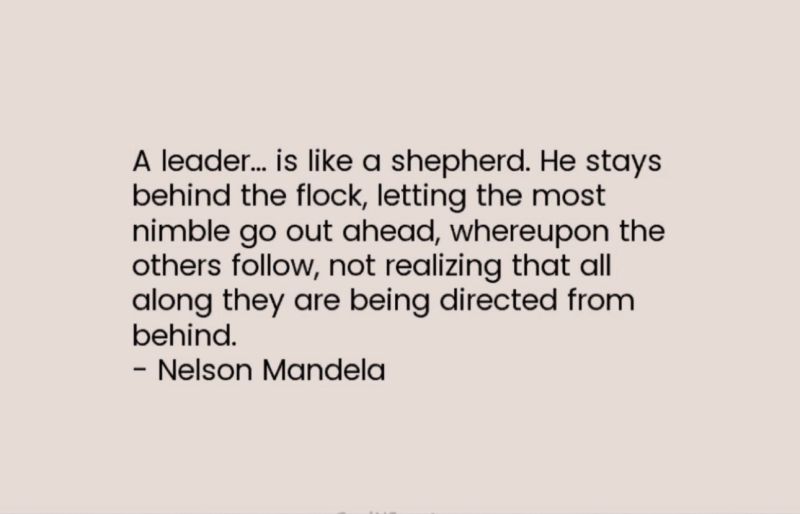 Image Source: LinkedIn, Bryan Lorden
The Core Principles of Shepherding in Leadership
To understand leading as a shepherd instead of a commander, we must look at established leadership philosophies that prioritize service over control. Decades of organizational research reveal that the most effective leaders do not dictate; they facilitate. They create systemic environments where human potential can thrive.
Shepherdship means acting as a temporary guardian. A good shepherd receives something valuable, nurtures it, helps it grow, and eventually passes it on in better condition than they found it. Think of a master gardener tending a landscape. They do not manufacture the plants, but they create the exact conditions necessary for those plants to flourish.
As a leader, your organization entrusts you with its most valuable assets. You hold the well-being, career trajectories, and daily experiences of human beings in your hands. Viewing this dynamic as a sacred trust transforms how you make decisions. You stop asking, “How can these people serve my goals?” and start asking, “How can I develop these people to achieve our shared vision?”
This shift requires immense self-awareness. It demands that you separate your ego from your title. When you recognize that you are simply a caretaker of the organizational vision, you liberate yourself from the burden of having to know everything. You become a conduit for growth, empowerment, and collective success.
The Pillars of Shepherding in Leadership
Embracing the shepherd mindset requires you to apply it across all areas of your professional life. It is not just a philosophical concept; it is an actionable framework. Let us explore the five key areas where you must act as a dedicated guide.
Shepherding Your Team’s Development
The people on your team are your primary responsibility. They are not merely resources in a machine designed to hit quarterly targets. They are individuals with distinct talents, aspirations, and capacities for greatness.
When you shepherd your team, you focus on their long-term development. You delegate tasks not just to lighten your own workload, but to stretch their capabilities. You provide honest, constructive feedback because you are invested in their growth. You advocate for their promotions, even if it means losing them to another department.
A shepherd takes pride in watching their people outgrow their current roles. You measure your success by the leaders you develop, rather than the followers you accumulate. Your goal is to build their confidence, sharpen their skills, and prepare them for their own future roles.
Shepherding Organizational Culture
Culture is the invisible ecosystem that dictates how work gets done. It lives in the behaviors you reward, the behaviors you tolerate, and the way people treat one another under pressure. You do not own the culture, but you absolutely shepherd it.
Guarding the culture means actively maintaining psychological safety. You must ensure that your team feels secure enough to share ideas, admit mistakes, and challenge the status quo. You act as a filter, protecting your people from unnecessary corporate noise while amplifying strategic clarity and purpose.
Cultivating culture also means modeling the values you wish to see. If you want a culture of accountability, you must publicly own your failures. If you want a culture of innovation, you must celebrate bold attempts that fall short. You are tending the soil so that healthy collaboration and performance can take root.
 Shepherding Your Influence
 Shepherding Your Influence
Influence is the currency of effective leadership. It is the ability to inspire action, shape opinions, and drive meaningful change. However, influence is highly volatile. If you use it solely for personal gain, it quickly turns into manipulation and erodes trust.
A shepherd uses influence on behalf of the organization’s mission. You leverage your political capital to remove roadblocks for your team. You speak up for marginalized voices in rooms where they are not present. You use your platform to champion ethical decisions and long-term sustainability over short-term wins.
Recognize that your title amplifies your voice. A passing comment from a leader can sound like a mandate to an employee. Shepherding your influence means being deeply mindful of the weight your words carry. You wield your authority with intention, ensuring it builds people up rather than tearing them down.
Shepherding Your Time and Energy
Time is your most finite resource. As a leader, everyone wants a piece of your schedule. If you do not actively manage your time, urgent but unimportant tasks will consume your days.
Shepherding your time means fiercely prioritizing the activities that drive the greatest strategic impact. It requires the discipline to say no to good opportunities so you can say yes to great ones. You must protect your calendar to ensure you have space for deep thinking, strategic planning, and meaningful conversations with your team.
Furthermore, you must shepherd your physical and mental energy through protection, allocation, and delegation. Burnout does not serve you, and it certainly does not serve the people relying on you. Prioritizing rest, reflection, and renewal is not selfish. It is a necessary practice to ensure you have the capacity to lead with sustained effectiveness.
Shepherding Your Own Development
You cannot pour from an empty cup. To be a great shepherd for others, you must first shepherd your own potential. The leadership skills that brought you to your current role will not automatically carry you to the next level.
Shepherding your development involves a relentless commitment to self-awareness. You must actively seek out blind spots, solicit feedback, and lean into discomfort. It means reading, learning, and expanding your worldview to align with future strategic needs.
This process requires deep humility. You must remain a student of leadership, regardless of how high you climb. By continuously refining your own character and competence, you ensure that the people under your care are guided by a leader who is always growing.
The Call to Accountability and Purpose
Shifting your mindset toward shepherdship fundamentally changes the narrative of your career. It removes the pressure of having to prove your superiority and replaces it with the profound impact of service. However, this path also demands rigorous accountability.
You will eventually leave your current role. Whether you move on to a new opportunity, retire, or transition to a different season of life, your time in this specific seat will end. The ultimate measure of your leadership is what remains after you walk out the door.
Ask yourself what kind of legacy you are building right now. Will the culture collapse without your constant supervision? Will the team feel lost and unequipped? Or will they stand strong, empowered, and ready to carry the mission forward?
Bringing the Shepherd Mindset to Life with Leadership Circle
Embracing a shepherd mindset is not a one-time insight; it is a continuous practice of self‑awareness, growth, and accountability. You have been handed a rare and significant opportunity. The trust placed in you is a gift designed to be developed, multiplied, and used for the good of others. Embrace the responsibility. Nurture the potential in your care. Lead not as an owner demanding compliance, but as a shepherd cultivating greatness.
This is where Leadership Circle exists to support leaders. Our integrated suite of assessments, development programs, and coaching solutions is designed to help leaders uncover the inner beliefs and habitual patterns that either expand or constrain their leadership effectiveness. By making the invisible visible, Leadership Circle enables leaders to lead with greater clarity, courage, and conscious intention—so they can steward their people, culture, and influence with purpose.
If you are ready to move from positional leadership to profound impact, Leadership Circle can help you take the next step. Explore how our development tools empower leaders and organizations to cultivate trust, accelerate growth, and build sustainable leadership capacity. Connect with Leadership Circle today to start shepherding the future of your organization—intentionally, powerfully, and consciously.