

Earth Day serves as an important reminder of our connection to the natural world and the delicate balance that sustains life. For business leaders, it presents a critical moment to evaluate the legacy we leave behind. True leadership extends far beyond profit margins, quarterly earnings, and market share. It demands a profound commitment to the planet that provides the foundation for our economies and our lives.
We stand at a pivotal juncture regarding climate and nature. The life-support systems regulating our earth are under immense pressure. As executives and organizational influencers, you possess the power to alter this trajectory. You can transform your business from a source of environmental strain into a powerful engine for planetary healing.
This guide explores how you can step into the vital role of a planetary steward. You will discover how to shift your organizational mindset, implement sustainable operational practices, and inspire collective environmental action. By embracing these principles, you can secure a thriving future for both your enterprise and the earth.
Redefining Leadership as Planetary Stewardship
Stewardship requires a fundamental shift in how we view corporate responsibility. Historically, many business models relied on extraction, viewing natural resources as infinite commodities to fuel endless growth. A planetary steward rejects this flawed paradigm. Instead, you recognize that your organization operates within the strict boundaries of the earth’s ecosystems.
Stepping into this role means taking active responsibility for the well-being of the planet. You shift your focus from short-term extraction to long-term regeneration. You view environmental health not as a philanthropic side project, but as a core pillar of your strategic vision.
When you adopt this mindset, every operational decision filters through an environmental lens. You ask how a new product line affects local water systems, or how a supply chain adjustment impacts greenhouse gas emissions. This level of awareness empowers you to build a resilient, forward-thinking organization capable of navigating the complex challenges of a climate-constrained future.
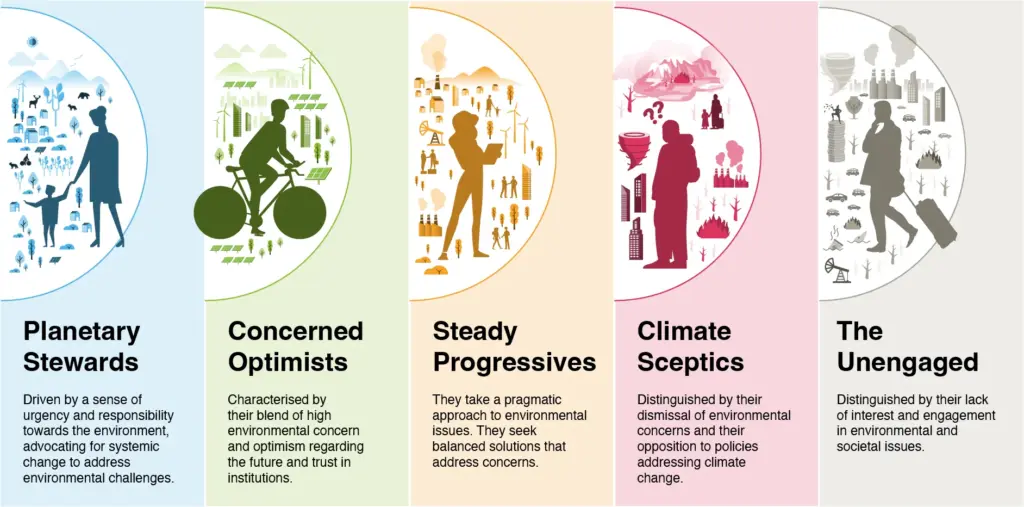 Image Source: Earth4All
The Strategic Advantage of Environmental Action
Embracing environmental stewardship is not merely an ethical obligation; it is a vital business strategy. Organizations that prioritize sustainability consistently outperform their peers in long-term viability. By actively reducing your environmental footprint, you mitigate significant operational risks associated with resource scarcity and regulatory changes.
Consumers and clients increasingly demand accountability from the brands they support. People want to align their spending with their values, showing a clear preference for companies that demonstrate genuine environmental care. When you lead with ecological integrity, you build profound brand loyalty and secure a distinct competitive advantage.
Furthermore, a strong commitment to the planet helps you attract and retain top talent. Employees want to work for organizations that contribute positively to the world. A bold environmental mission gives your team a shared sense of purpose, boosting engagement, productivity, and overall workplace satisfaction.
Actionable Steps for Eco-Conscious Leaders
Visionary thinking must translate into concrete action. As a leader, you have the authority to implement systemic changes that drastically reduce your organization’s environmental impact. Here are several highly effective strategies you can deploy to advance your sustainability goals.
Conduct a Comprehensive Environmental Audit
You cannot improve what you do not measure. The first step toward planetary stewardship involves establishing a clear baseline of your current environmental impact. Commission a thorough audit of your organization’s energy consumption, waste generation, and water usage.
Analyze your entire supply chain to identify hidden ecological costs. Look closely at the materials you source, the transportation methods you employ, and the lifecycle of your products. This data will highlight your most significant areas for improvement and guide your strategic sustainability investments.
Drive Aggressive Decarbonization
Reducing greenhouse gas emissions must remain a top priority for any planetary steward. Set ambitious, measurable targets for decarbonizing your operations. Transition your facilities to renewable energy sources such as solar or wind power.
Invest in energy-efficient technologies and optimize your building management systems. Encourage remote work or incentivize employees to use public transit and electric vehicles. By systematically eliminating fossil fuel dependence from your operations, you make a direct and powerful contribution to climate stabilization.

Image Source: RMI
Champion Circular Business Models
The traditional linear economy—take, make, dispose—creates an unsustainable volume of waste. You can combat this by transitioning your organization toward a circular economic model. Design products and services with their entire lifecycle in mind, ensuring materials can be easily repaired, reused, or recycled.
Eliminate single-use plastics from your offices and supply chains entirely. Partner with vendors who share your commitment to waste reduction and sustainable packaging. By keeping resources in use for as long as possible, you drastically lower your ecological footprint while often uncovering new efficiencies and cost savings.
Fostering a Culture of Sustainability
Your environmental initiatives will only succeed if they permeate your entire organizational culture. As a leader, you must model the behaviors you expect from your team. Demonstrate your commitment to sustainability through your daily actions, no matter how small they might seem.
Empower your employees to become environmental champions within their specific departments. Create internal task forces dedicated to identifying and implementing eco-friendly practices. Give your team the budget and authority to test new green initiatives, rewarding innovative solutions that reduce waste or save energy.
Education plays a crucial role in this cultural shift. Provide ongoing training on environmental issues and sustainable business practices. When your employees understand the “why” behind your ecological goals, they become passionate advocates for your mission, driving systemic change from the ground up.
Extending Your Impact Beyond the Office
A true planetary steward looks beyond the four walls of their business. You possess the influence and resources to drive broader environmental progress within your industry and your community. Use your platform to advocate for robust climate policies and sustainable industry standards.
Direct your philanthropic efforts toward organizations working on the front lines of environmental conservation. Support nature-based solutions, such as large-scale reforestation projects and the protection of critical habitats. These investments not only draw down carbon but also protect the vital biodiversity that sustains our global ecosystems.
Collaboration multiplies your impact. Build alliances with other business leaders, sharing best practices and pooling resources to tackle large-scale environmental challenges. When organizations unite around a shared commitment to the earth, the potential for positive, exponential change becomes limitless.

Image Source: X, Living Green
A Call to Action for Earth Day and Beyond
Earth Day offers a powerful moment for reflection, but planetary stewardship requires daily, relentless dedication. The health of our environment dictates the health of our societies and our economies. We can no longer afford to treat the earth as a passive backdrop to our business ambitions.
You have the platform, the resources, and the authority to drive meaningful environmental recovery. Evaluate your operations, challenge your existing models, and demand higher ecological standards from yourself and your partners.
Begin today by reviewing your organization’s environmental baseline and setting one aggressive new sustainability target for the coming year. Commit to transparently sharing your progress and your setbacks with your team and your stakeholders. By leading with courage and ecological responsibility, you will forge a legacy of resilience, leaving behind a thriving planet for the generations that follow.
Leading Planetary Stewardship with Leadership Circle
Becoming a planetary steward ultimately begins with the inner world of the leader. Sustainable impact is not driven by policies alone, but by the mindsets, values, and habitual ways leaders make decisions under pressure. Leadership Circle helps leaders and organizations develop the self‑awareness and conscious leadership capacity required to steward not only people and performance, but the planet itself. Through our assessments and development experiences, leaders gain insight into the beliefs shaping their choices; and the opportunity to shift from reactive, short‑term thinking to creative, regenerative leadership. Partner with Leadership Circle to build the leadership capacity needed to drive environmental responsibility, resilient growth, and a future that honors both business and the planet.





As someone working in leadership development, I really appreciate the focus on mindset shift. Shifting from a profit-first mentality to a more holistic view that includes sustainability could be the key to long-term success for companies and the planet alike.
This guide on becoming a planetary steward is really insightful. It makes a strong case for redefining leadership in the context of environmental responsibility.