
Stepping into a manager role doesn’t feel like a clean start. It feels like you’ve taken over something mid-flight.
Work is already in motion. People have opinions. Some things are working. Some clearly aren’t, but no one has written what that is for you.
The first 90 days matter because this is when people decide how seriously to take you. Not based on what you say. Based on what you do repeatedly.

You’re setting patterns without realizing it. What you tolerate, push on, and what you ignore.
That becomes your team’s operating system.
The good news is you don’t need a grand plan. You need a few good calls each week, and to avoid the obvious mistakes.
Let’s understand how you can best settle into your new role as a manager.
Understanding the Role of a New Manager
The shift hits fast.
You’re answerable now. You start being judged on what your team produces and how they produce it.
That sounds simple. It isn’t.
You’re no longer the person fixing problems directly. You’re the one deciding which problems matter, who should own them, and whether the way you’re working even makes sense.
Most new managers struggle here. They keep stepping in. They hold onto tasks. They rewrite work instead of coaching it. They don’t delegate.
It slows everything down.
The job is to create clarity:
- What matters right now
- What “good” actually looks like
- Who owns what
Then stay out of the way long enough for people to execute.
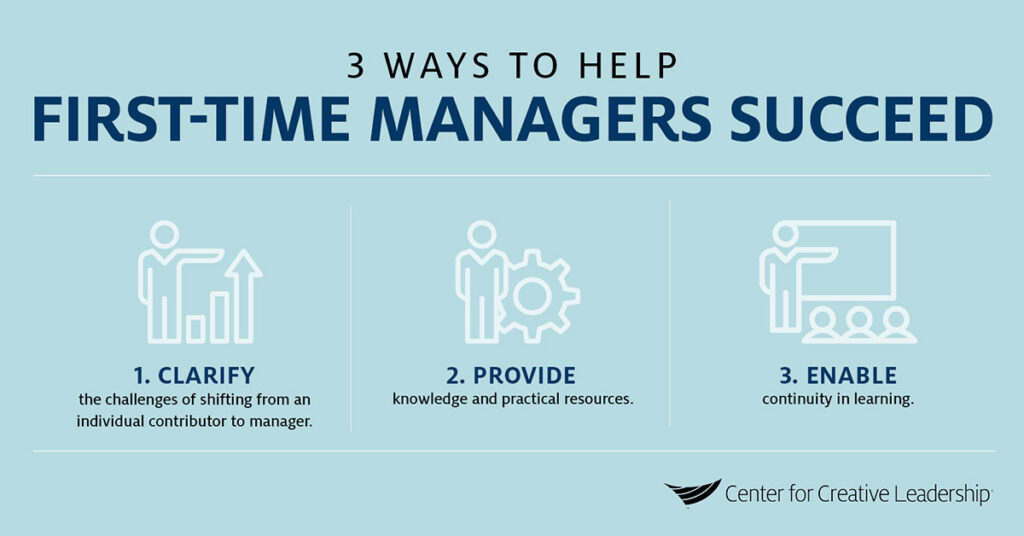
You’ll spend more time in conversations than doing work. One-on-ones. Alignment meetings. Cross-team coordination. That’s not overhead, that is the work.
And it compounds.
Gallup’s research shows managers account for at least 70% of the variance in team engagement. That shows up in output, retention, and productivity.
So yes, it matters.
The First 30 Days
You’re not here to prove anything yet. You’re here to understand how things actually work when no one is explaining them.
Building great relationships
If you don’t get this right early, everything else feels harder than it should. Because people don’t trust you yet.
And without that, everything slows down: decisions, feedback, and execution.
So in the first few weeks, you have to spend more time talking than changing things.
Not surface-level check-ins. Actual conversations.
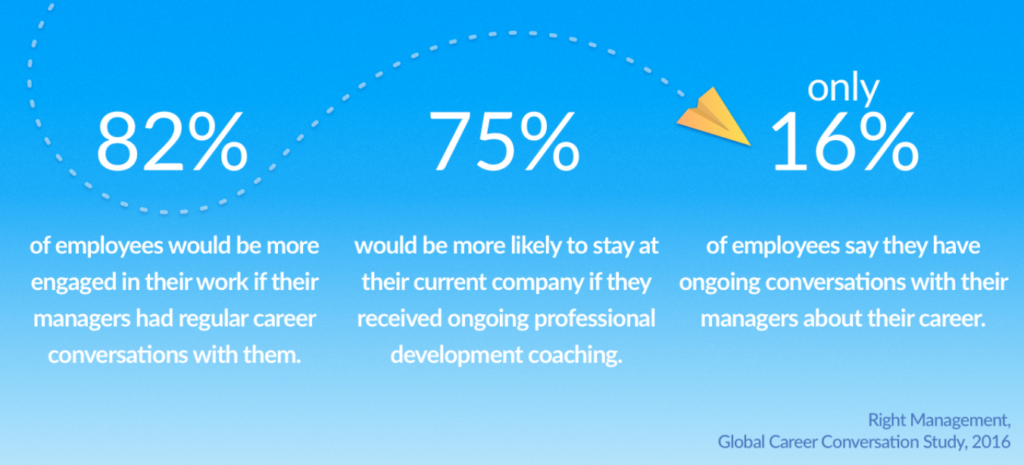
You sit down with each team member. You ask what’s working, what’s frustrating, what they wish would change. You listen for patterns, not just complaints.
You do the same with your peers. And your manager.
You’ll hear contradictions. That’s normal.
The goal isn’t to resolve everything immediately. It’s to understand how things actually operate beneath the surface so you can build on team effectiveness later.
The relationships you build in the first month shape everything that follows. That’s not an exaggeration. It shows up later when you need support, buy-in, or honest feedback.
Trust isn’t built through big gestures. It’s built through consistency:
- You follow through
- You don’t disappear when things get messy
- You give credit quickly
- You’re clear about trade-offs
People notice patterns, not speeches.
Assessing the current situation
The instinct is to fix things quickly. Resist that, at least at the start.
You don’t have enough context yet.
Instead, you look for signals:
- Where work gets stuck
- Where people are overloaded
- Where decisions keep getting revisited
You review what exists. Backlogs, roadmaps, and current commitments. You ask other teams how they experience your team. That part matters more than internal perception.
You also start noticing how loosely some decisions are held together. Work is tracked, but agreements aren’t. Approvals happen, but no one can point to where they live or what’s final.
That’s where things slow down, not because people aren’t working, but because ownership and decisions aren’t visible. It’s the same problem contract management software is built to solve, making sure what’s agreed, who owns it, and what’s pending is clear without having to chase it down.
A simple scorecard helps:
- Team capability
- Process efficiency
- Stakeholder relationships
It could look something like this.
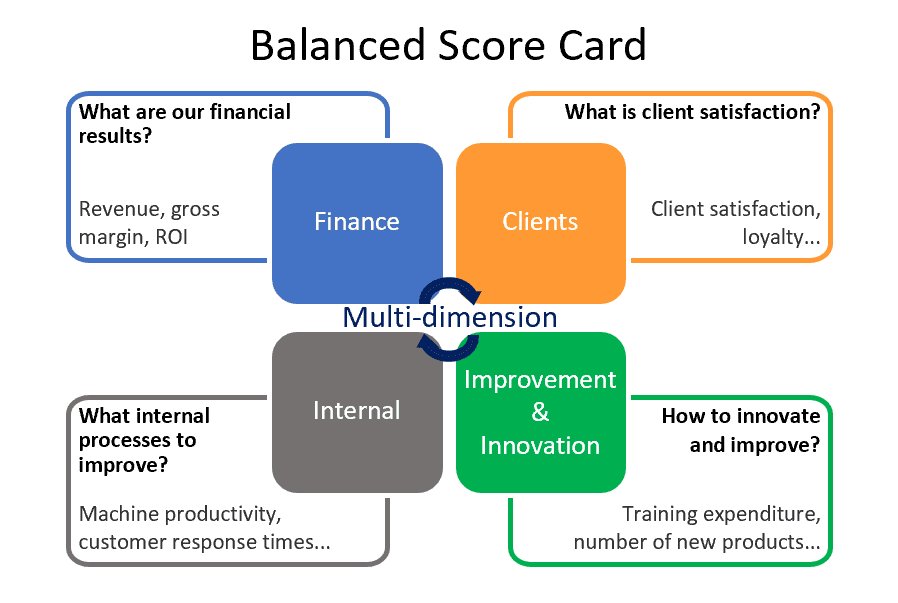
You don’t need anything fancy. Even a few structured assessments to avoid guessing. Also, don’t rely only on what people tell you.
Check the data:
- Cycle times
- Quality issues
- Customer feedback
Stories can mislead, but patterns don’t.
The First 60 Days
By now, you’ve seen enough patterns to know what’s real and what’s noise. This is where you start making calls. Not big moves, just enough direction to remove friction and show that things are starting to shift.
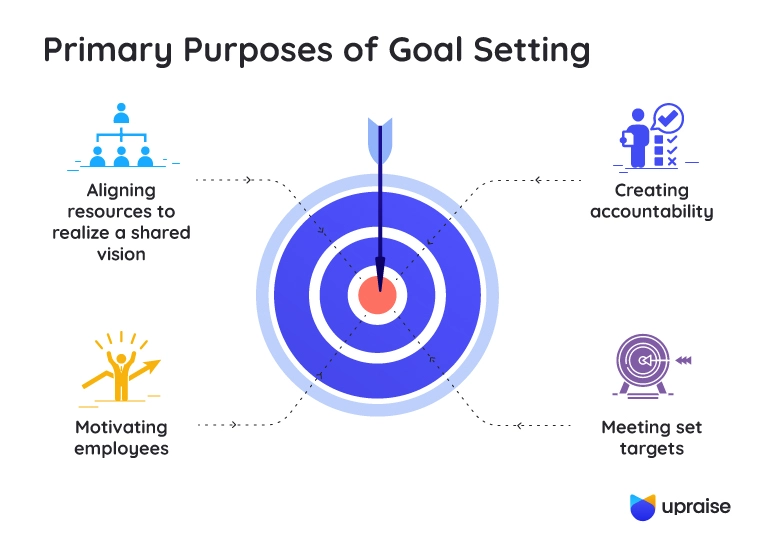
Setting goals and priorities
Once you understand the landscape, you pick a direction.
Not ten things. A few.
Early on, your biggest lever is momentum. Small changes that remove friction or clarify confusion, maybe two or three improvements in the first month.
Not strategic overhauls. Not big restructures.
Simple things:
- Fix a meeting that wastes time
- Clarify ownership where it’s unclear
- Clean up a process that people complain about
Sometimes progress comes from removing unnecessary complexity, not adding more structure. Even small operational decisions, like standardizing inputs or using ready-to-use resources such as blank t-shirts for team initiatives or events, can reduce friction and keep execution moving without overthinking every detail.
These matter more than they seem.
They show you’re paying attention. They reduce day-to-day frustration. And they build credibility faster than any long-term plan.
Then you layer in mid-term improvements, capabilities, systems, and processes.
Long-term changes come later. After you’ve earned enough trust to make them stick.
Executing with confidence
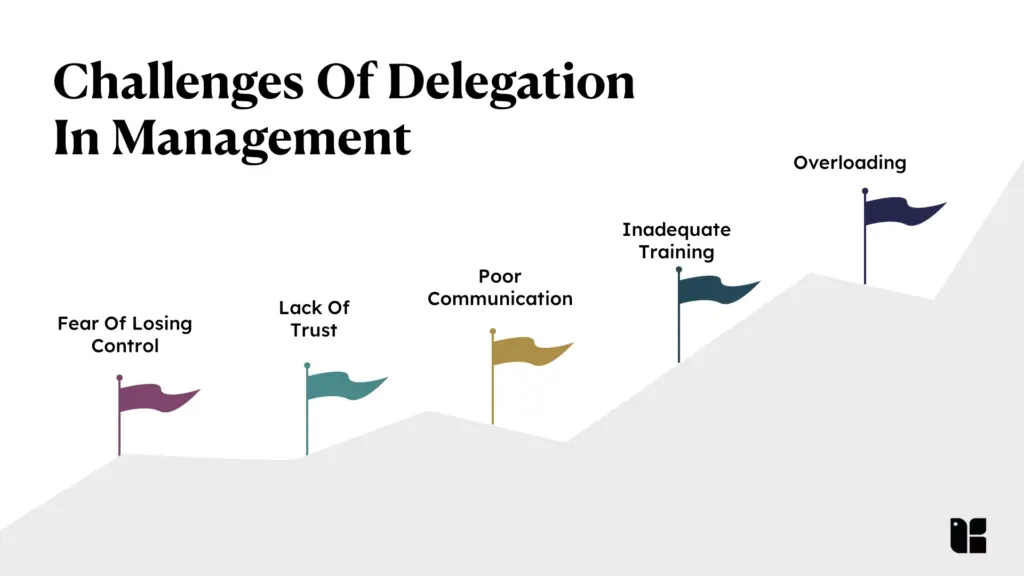
This is where most new managers become bottlenecks.
They hold onto decisions, review everything, and step in too often.
You need to delegate outcomes, not just tasks.
That means:
- Sharing context
- Defining what success looks like
- Agreeing on check-ins
Then letting people run.
Your calendar matters more than you think.
If you don’t protect it, you’ll spend all your time reacting. You need space to think. To plan. To actually lead.
Simple rhythms help:
- Weekly team sync
- Consistent one-on-ones
- Monthly reviews
Not more meetings, but better ones.
Decision-making also needs structure. Otherwise, things stall or get revisited endlessly. Frameworks like RAPID help clarify ownership.
The First 90 Days
At this point, people are watching for consistency. Not ideas. Not intent. Whether things are actually improving. This is where you start tightening the system, keeping what works, fixing what doesn’t, and letting go of what never should’ve been there.
Monitoring progress and adjusting course
Plans don’t survive contact with reality. So you build feedback loops early.
One-on-ones become your fastest signal. You hear what’s stuck before it becomes visible.
You track a small set of indicators:
- Are things moving faster or slower?
- Are deadlines slipping?
- Are customers happier or frustrated?
Conrad Wang, Managing Director at EnableU, works with teams improving execution systems where consistency in tracking often matters more than strategy itself.
He explains, “Most teams don’t struggle because they lack direction. They struggle because they don’t stay close to what’s actually happening. If you’re not checking progress regularly, small issues compound until they’re harder to fix. The teams that improve fastest are the ones that keep their feedback loops tight and act on what they see.”
Not everything. Just what actually reflects progress.
Monthly retrospectives help reset direction. What’s working? What’s not? What needs to change?
Pre-mortems are underrated, forcing yourself to ask “what could go wrong” before it does.
The mindset shift is simple: you’re not defending a plan. You’re adjusting it.
Fostering a positive team environment
If people feel safe, they speak up early. Issues surface faster. Ideas come through without being forced.
If they don’t, problems stay hidden until they’re expensive.
Psychological safety sounds abstract until you see the opposite.
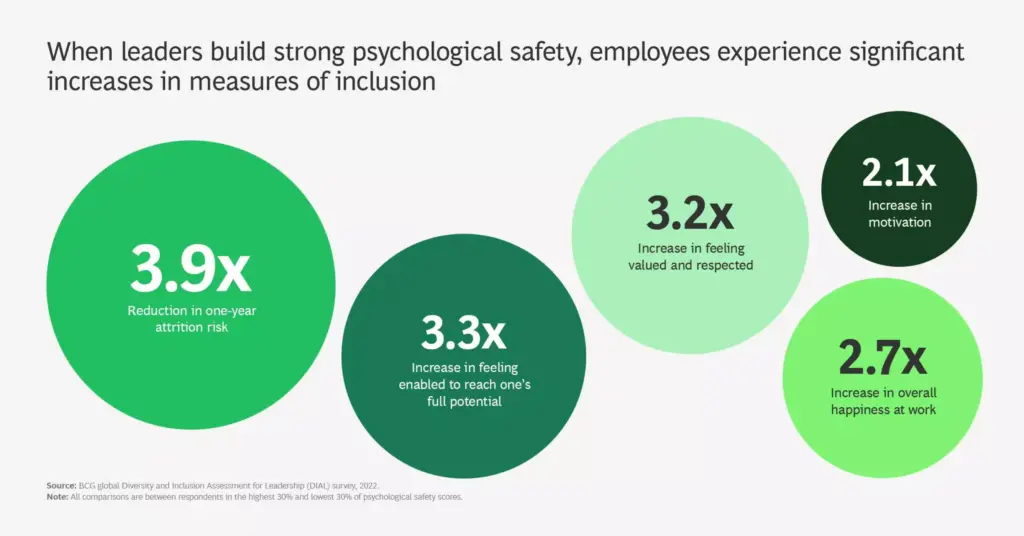
If someone raises an issue and gets shut down, they won’t do it again.
If you treat it as a problem to solve, not a mistake to punish, you get better input next time.
Google’s Project Aristotle found psychological safety to be the strongest predictor of team effectiveness.
That shows up in real ways:
- People flag risks earlier
- They share incomplete ideas
- They take ownership without being pushed
Recognition also matters more than most managers think. That goes beyond the team you manage today. Staying connected with former colleagues, mentors, and peers you’ve worked with builds the kind of network that supports you when things get hard. A quick people search can help you re-establish those ties before you need them — not after.
Your 30-60-90 Roadmap: A Quick Look
Think of this as a loose structure, not a checklist.
- Days 1–30: Listen more than you act. Run one-on-ones. Map what’s happening. Fix a couple of obvious friction points.
- Days 31–60: Start aligning things. Set goals. Clarify roles. Introduce basic structure.
- Days 61–90: Execute with intent. Track progress. Adjust. Start testing bigger improvements.
If you’re trying to become more deliberate in how you lead, not just reactive to what shows up each day, it’s worth exploring what The Leadership Circle is doing.
Their work focuses on helping leaders understand how their behavior shapes team performance, so improvements actually stick instead of fading after the first 90 days.